
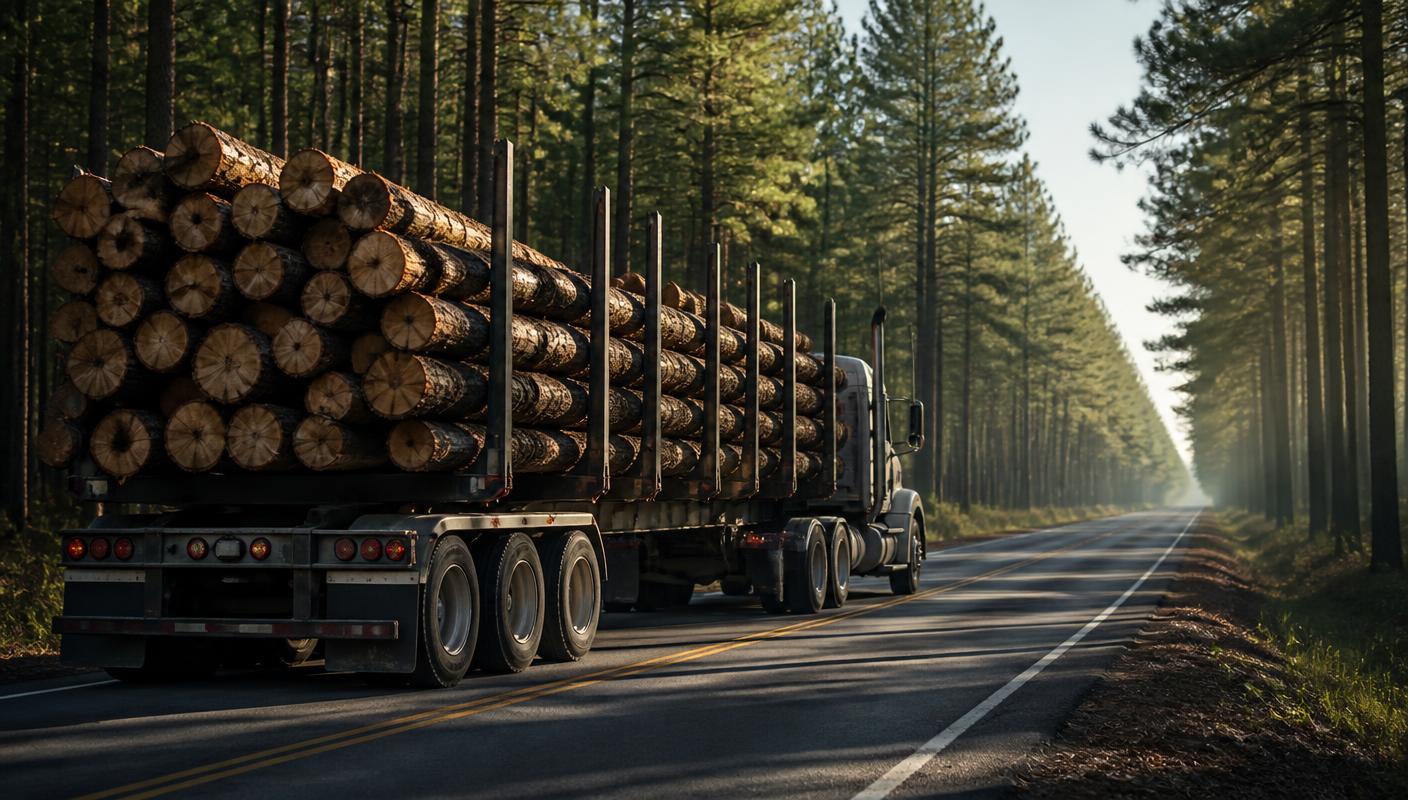
Improper load securement
Logs must be secured under 49 CFR Part 393. When binders, stakes or belly straps fail, the load shifts or spills into the roadway.
Piney Woods log haul crashes
Log trucks on SH-155 and US-271 carry heavy, unsecured-looking loads on narrow rural roads. When a load shifts or a truck rolls, the injuries are catastrophic.
Corridors we work
Why logging cases are different
A log truck is top-heavy, often overweight, and hauling on roads that were never designed for it. Load securement, weight distribution and road suitability are the issues that decide these cases.
The Piney Woods put thousands of logging trucks on SH-155, US-271 and rural farm-to-market roads every year. The same factors that make timber profitable, tight schedules, high payloads, and minimal road infrastructure, also make the crashes severe.
For the general rules on truck accident liability, deadlines and insurance in Texas, see our Tyler truck accident lawyer overview. For the specific issues that arise in log-truck crashes, read on.
Common causes
Most log-truck crashes trace back to one of these six problems. Each one leaves a paper trail if you know where to look.
Logs must be secured under 49 CFR Part 393. When binders, stakes or belly straps fail, the load shifts or spills into the roadway.
A load that is heavier on one side or top-heavy raises the centre of gravity and makes rollover more likely on curves and soft shoulders.
Piney Woods mills run on volume. Overloading shortens braking distance, strains suspension, and increases the severity of any impact.
SH-155 and US-271 were not designed for modern log trucks. Limited shoulder width, tight curves and oncoming traffic create frequent sideswipe and head-on exposures.
Logging crews often start before dawn and run long hours. Hours-of-service and logbook records are standard targets in the preservation letter.
Steer tires, brakes and suspension take a beating on rough timber roads. Deferred maintenance shows up in inspection and repair records.
Defendants
The driver is only the start. In a logging operation, several parties may have touched the load, the route, or the schedule before the crash.
Evidence
A strong logging-truck case is built from the defendants' own documents. This is the list that goes into the preservation letter.

Free case review
Load photos, securement records and scale tickets disappear quickly. A preservation letter is the first step in holding every responsible party accountable.
No fee unless we win · Consultations are free and confidential
Straight answers
The same FMCSA rules apply to weight, load securement, driver qualification and hours of service. Logging does have some limited exemptions for certain local operations, but they are narrow and do not excuse unsafe loading or an unqualified driver. The specific exemption, if any, is a fact question we examine in the first week.
Liability often reaches the driver, the hauling contractor, the company that loaded the trailer, and sometimes the mill or timber company that set the schedule. The key is whether the load was properly secured and whether the parties knew or should have known it was not.
Get medical care, make sure a crash report is generated, photograph the load and the trailer stakes, and get the truck's USDOT number. Then call a lawyer. Load securement evidence, photographs of the spilled logs, and witness statements fade quickly in rural areas.
Yes. If a hauler chose a route that was unsuitable for the load, or if the timber company directed trucks onto roads it knew were dangerous, that is evidence of negligence. Road condition and route selection are standard parts of our investigation.