10,001 pounds is the threshold
A vehicle used in commerce with a gross vehicle weight rating of 10,001 lb or more is a commercial motor vehicle under FMCSA rules. Many box trucks and large vans qualify.
Box truck & last-mile crashes
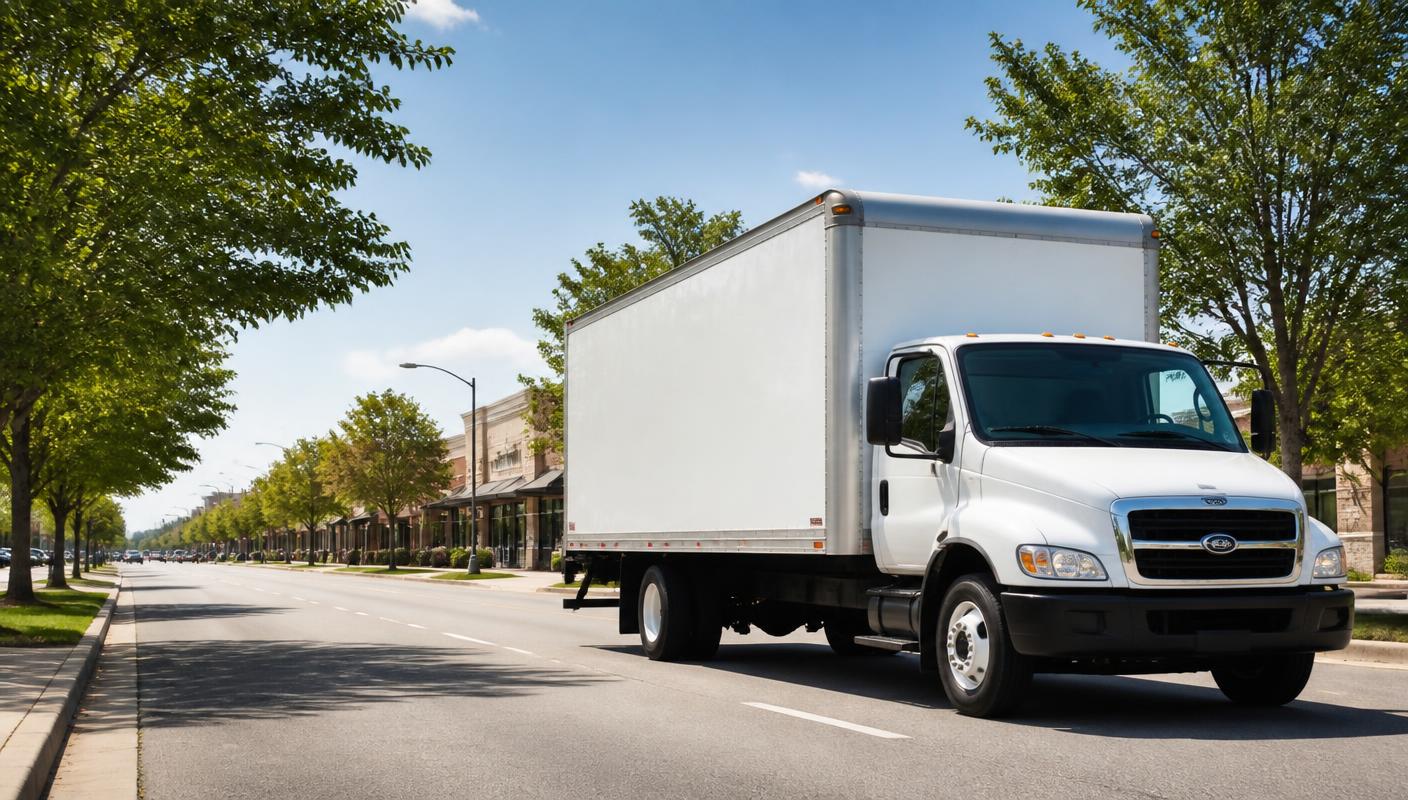
A delivery truck is not a passenger car. Box trucks, cargo vans and last-mile carriers on Loop 323 and downtown Tyler are still commercial vehicles, and the same federal rules often apply.
Where these crashes happen
Why it is still a commercial case
Many people assume a delivery truck crash is handled like a car accident. It is not. Box trucks, cargo vans and last-mile carriers are often covered by FMCSA rules and higher insurance requirements.
A vehicle used in commerce with a gross vehicle weight rating of 10,001 lb or more is a commercial motor vehicle under FMCSA rules. Many box trucks and large vans qualify.
While not as high as a long-haul 18-wheeler, commercial policies on delivery trucks are typically larger than a personal auto policy.
Commercial drivers must be qualified, medically certified, and properly trained. A driver who does not meet FMCSA standards is a liability problem for the carrier.
Common causes
Loop 323, downtown alleys, and residential routes create the same set of problems: tight spaces, large blind spots, and drivers working under delivery quotas.
Delivery trucks back into driveways, alleys and loading docks with large blind spots. Pedestrians, cyclists and parked cars are frequent victims.
A box truck making a right turn from the left lane can trap a car against the curb. Common at Loop 323 intersections and downtown delivery zones.
Double-parking and curbside stops force passenger cars into active lanes. A rear-end collision is almost always the delivery truck's fault.
Route density, stop quotas, and package deadlines push drivers to speed, skip breaks, and rush. Dispatch and delivery records show the pressure.
Defendants
Last-mile delivery often involves a chain of companies: the driver, the carrier, the shipper, and sometimes a broker or logistics company. We identify every party on risk.
Evidence
Route records, driver qualification files, and telematics data are the difference between a personal-injury claim and a fully documented commercial case.

Free case review
A preservation letter sent today keeps the carrier from deleting the records that prove your case.
No fee unless we win · Consultations are free and confidential
Straight answers
Yes. A commercial delivery truck is subject to FMCSA rules, the driver must be qualified and medically certified, and the carrier must carry higher insurance. The case is also more likely to involve multiple parties: the driver, the motor carrier, the shipping company, and sometimes a broker or logistics company.
Often the driver is an independent contractor or works for a subcontractor, not the brand on the uniform. The motor carrier that actually employs the driver is usually the first defendant. In some cases, however, the larger company may also be liable for negligent selection, supervision, or routing. We trace the chain of contracts in the first week.
A commercial vehicle stopped in a traffic lane creates a foreseeable hazard. If that stop caused or contributed to the crash, the driver and carrier are liable. The key evidence is usually the stop location, route records, and witness statements.
It varies by vehicle size and use. A small commercial van may carry $100,000 to $1,000,000, while a larger box truck or freight carrier may carry $750,000 or more. The policy declarations and the motor carrier's filings tell us the actual coverage.
If you were hit by a delivery truck, box truck or cargo van in Tyler or Smith County, talk to a Tyler truck accident lawyer before the route records and dashcam footage are overwritten. The first call is free and there is no fee unless we win.